
Benefits of Using a High Frequency PCB
Using a High Frequency PCB
A high frequency PCB allows for faster data transmission, which is important for modern electronic devices like cell phones and tablets. They also help reduce EMI and signal interference by using special materials and design techniques. These boards are used in a variety of applications, including consumer electronics and aerospace systems. They can transmit data at a higher speed and support more channels, which allows for more information to be transmitted simultaneously. They can also provide better power efficiency and thermal management.
Choosing the right substrate material is crucial for high frequency pcb. Those made with low-loss dielectric materials like Rogers materials and PTFE (Teflon) allow for faster signal transmission and can preserve signals at high speeds. These materials can also tolerate high temperatures without affecting performance. They also have low dissipation factors and dielectric constants, which helps minimize performance loss.
Aside from selecting the proper dielectric, you must also take into account the layer stack-up of your PCB. The correct layout and spacing of layers is essential to reduce crosstalk, skin effects, and other noises. A good current return path is also important for a high-frequency circuit, so make sure to include one.
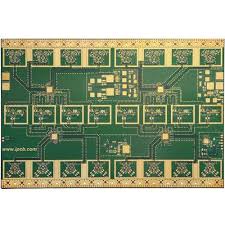
Benefits of Using a High Frequency PCB
The right copper alloy is also important for a high-frequency board. The thickness and width of the copper foil should be optimized for the desired design. You should also choose a copper alloy with an acceptable loss tangent and a suitable surface plating. This will help reduce skin effect losses and increase the conductivity of the copper. Finally, the copper roughness should be reduced as much as possible to avoid causing parasitic capacitance.
High-frequency PCBs must have a tight manufacturing tolerance to keep their consistent electrical properties. This includes a low coefficient of thermal expansion to prevent warping. It also requires ultra-smooth copper foil to decrease skin effect loss. Moreover, these PCBs require tight tolerances on their dimensions to minimize the distance between the signals and the ground plane.
HF PCBs are also used in automotive electronics to create infotainment and advanced driver assistance systems (ADAS). This technology helps make driving safer by adding features like adaptive cruise control, lane keeping assistance, and collision avoidance. Other benefits of a high-frequency PCB include lower EMI, superior signal integrity, and increased power density. They also feature lower power loss and are more stable in harsh environments.
A high-frequency PCB is more complex than a standard printed circuit board, but it can offer advantages that other technologies cannot. They have a higher bandwidth and are better at handling signals in crowded areas. They are also more tolerant to heat, making them ideal for a wide range of applications. Additionally, they can handle more power densities and are easier to maintain. These PCBs are ideal for advanced communication systems, radar systems, and medical devices. They can also be used in military applications to detect obstacles and guide aircraft. This technology is also used in automotive systems to produce ADAS functions, such as a rearview camera and Bluetooth connectivity.