Bondi Junction’s Apartment Battle Shows Why We Have a Housing Crisis
Key takeaways
A new apartment complex planned for Oxford Street in Bondi Junction should be a textbook example of smart city development.
The Bondi Junction project is exactly the kind of housing Australia needs: well-located, near transport, jobs, schools, shops, and open space.
Yet it faces delays from complex approval processes, including both NSW planning rules and the Federal Environment Protection and Biodiversity Conservation Act.
Sydney lost over 41,000 residents in 2023–24, many young people leaving due to unaffordable housing.
Without more supply in high-demand areas, inequality will deepen and cities risk losing their younger generations.
A new apartment complex planned for Oxford Street in Bondi Junction should be a textbook example of smart city development.
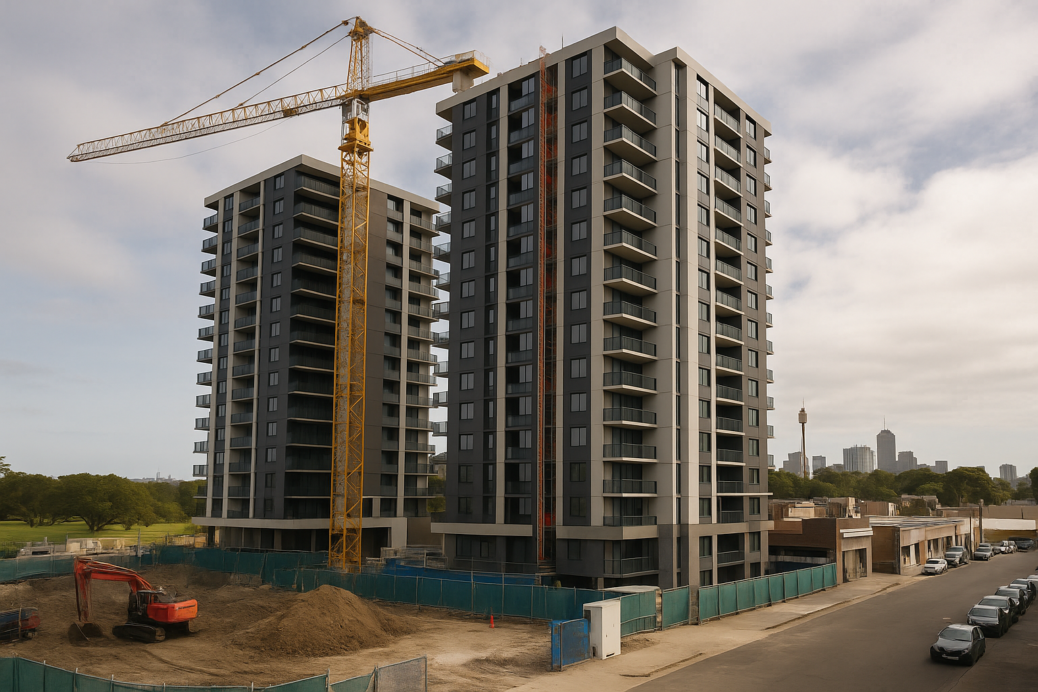
Sixteen storeys of housing, right next to a train line and bus routes, within walking distance of Centennial Park, Bondi Beach, shops, jobs, schools, and even the harbour.
On a site currently occupied by a car rental yard, it would convert low-value land into dozens of homes where people actually want to live.
And yet, this project is shaping up to be a case study in why Australia struggles so badly to build enough homes.
The approvals maze
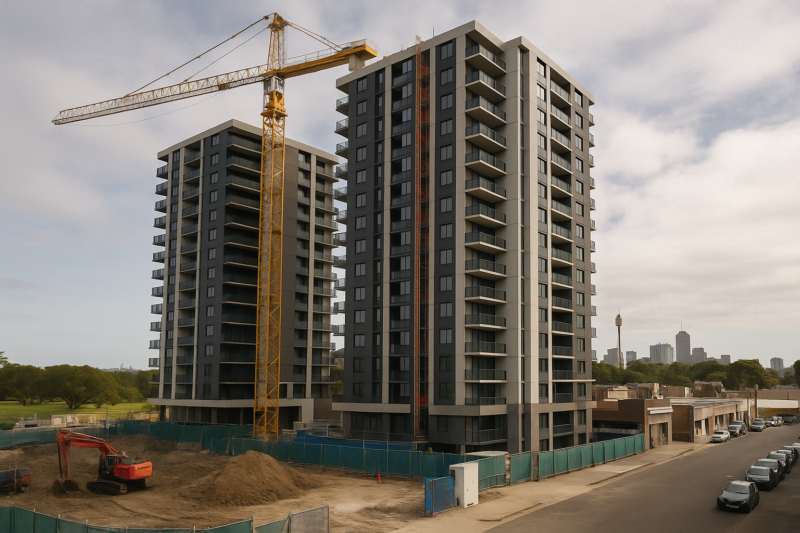
Despite there being no historic or cultural heritage concerns on the site, the developer still has to secure approval not just from the NSW planning system, but also the Federal Government under the Environment Protection and Biodiversity Conservation Act.
Environment Minister Murray Watt has acknowledged the Act is cumbersome and outdated, promising reform by year’s end.
At last count, around 30,000 housing and construction projects were waiting on approvals under this federal law.
That’s tens of thousands of homes delayed while Australia faces a rental crisis, soaring house prices, and widespread affordability pressures.
NIMBY pushback from wealthy areas
The second major hurdle is local opposition.
Sydney’s eastern suburbs are among the wealthiest in the country, but they’re also among the most resistant to change.
Residents argue the towers will cast shadows over Centennial Park and hurt local character.
Former Sydney Morning Herald editor Darren Goodsir, now a senior university executive, submitted that such developments “favour profit-driven ventures” and risk creating a housing market for the wealthy.
But let’s be blunt: Sydney’s eastern suburbs are already one of the wealthiest housing markets in Australia.
Blocking new housing there doesn’t create affordability, it entrenches exclusivity.
The official custodians of Centennial Park themselves said the impact would be minor: a sliver of extra shadow for about an hour on one winter morning. Hardly a biodiversity crisis.
The YIMBY response
This fight has triggered a sharper response from Sydney’s emerging YIMBY (Yes In My Backyard) movement.
Their argument, backed by economists like former RBA researcher Peter Tulip, is straightforward: every new home helps.
Even if a new apartment isn’t cheap, the person who moves in frees up another home for someone else.
Over time, that chain reaction eases pressure across the whole market.
Limiting supply, on the other hand, only drives up prices and rents further.
As one Sydney YIMBY post put it: “Step 1: Engineer a housing crisis by blocking new homes. Step 2: When somebody proposes building homes, complain they’re not affordable. It’s just so unbelievably self-serving.”
Governments are still fuelling demand
The supply bottleneck wouldn’t be so severe if governments weren’t simultaneously pouring fuel on the demand side.
Recently the federal government brought forward its first-home buyer subsidy program.
What was once capped and income-tested is now open-ended, no income test, no limit on places.
That means more buyers with extra purchasing power competing for the same stock of housing.
In fact, it is suggested that 70,000 new first-home buyers will take advantage of this scheme in the first year.
And as economist Saul Eslake dryly observed, governments keep doing this because voters want house prices to rise faster than incomes.
It’s a political cycle: homeowners vote for higher property values, governments deliver, and affordability for younger generations slips further out of reach.
The social cost of Nimbyism
The bigger picture is stark. Sydney lost over 41,000 residents last financial year, many of them young people priced out of their birthplace.
They’re moving to more affordable parts of the country, taking their skills and spending power with them.
Meanwhile, councils like Woollahra continue to oppose densification, even arguing that new apartments would be “unaffordable.”
But refusing to build more homes in high-demand areas ensures prices stay elevated everywhere.
As NSW Premier Chris Minns put it, too many communities have embraced a “culture of no.”
The result is fewer people living in well-connected suburbs than in the 1970s, despite decades of population growth.
Some final thoughts
The Bondi Junction saga highlights everything wrong with our housing system: over-regulation, self-interested local opposition, and political incentives that prioritise rising values over affordability.
If we’re serious about fixing the housing crisis, we can’t just throw subsidies at buyers or leave planning power in the hands of those who already own homes in exclusive postcodes.
We need planning reform, faster approvals, and a willingness to build more homes in the places where people want to live.
Because without change, Sydney and other capitals will keep losing their young people, and with them, their future.