
Can PCB flex rigid be used in IoT devices?
PCB flex rigid be used in IoT devices
The new generation of IoT devices puts unparalleled demands on the circuit boards inside. For example, the PCB in a device that tracks your fitness level needs to be able to endure frequent flexing without breaking down. This type of specialized requirement can only be met by using HDI and flex-rigid technology.
In addition to delivering superior electrical characteristics, these types of PCBs also allow for increased design freedom and reduced package size and weight in IoT devices. The ultra-thin nature of flex and rigid-flex circuits means they can accommodate narrower circuit traces than their thicker, more rigid counterparts. This allows for greater connection density in a smaller space, lowering both the overall weight and the cost of the finished product.
Another benefit of pcb flex rigid is the ability to use different types of conductors. For example, ED copper is typically used for rigid PCBs, but flex circuits need a more durable material that can withstand repeated cases of bending and flexing. For this reason, flex and rigid-flex circuits often feature rolled annealed (RA) copper.
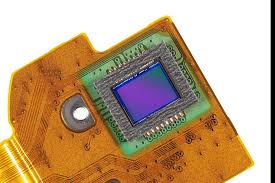
Can PCB flex rigid be used in IoT devices?
To maximize the benefits of a flex or rigid-flex circuit, it’s important to use a high-quality PCB manufacturer. With advanced production equipment and highly skilled personnel, these companies can provide you with a quality PCB that will meet all of your rigid-flex or flex circuit requirements.
When it comes to designing a rigid-flex board, the first step is to determine whether you need static or dynamic flex areas. Static flex regions have fixed bending radius locations, while dynamic flex regions bend according to their location within the stack-up.
A common technique for implementing flexible components in a rigid-flex PCB is known as a cover lay. This method uses a thin coating of acrylated epoxy or polyimide over the entire flex circuitry to protect it from mechanical stress. However, this layer is not a substitute for the structural elements of your assembly, so you must take it into account during the mechanical verification process.
Rigid-flex PCBs require an extensive amount of mechanical verification to ensure they will be able to support the device’s unique form factor. This includes ensuring that the flex or rigid-flex section meets IPC-standard creepage and clearance distances. In many cases, this is a time-consuming process that requires the use of external mechanical tools.
Modern vehicles rely heavily on electronic systems for functions like navigation, entertainment, and advanced driver-assistance systems (ADAS). Flex-rigid PCBs are used in these applications due to their reliability and ability to withstand harsh environments. The aerospace industry benefits from the lightweight and durable nature of flex-rigid PCBs. They are used in avionics, control systems, and other critical applications where performance and reliability are paramount.
To streamline the process, a comprehensive PCB design software suite is essential. The best option available today is Altium Designer, which offers industry-leading ECAD/MCAD collaboration and data management features in a single platform. Contact an Altium expert today to find out how you can leverage this top-of-the-line technology to quickly and easily design rigid-flex PCBs for your IoT projects.