
Implications of IPC standards in printed circuit board and assembly?
IPC standards in printed circuit board and assembly
The Association Connecting Electronics Industries (IPC) plays a pivotal role in shaping the landscape of printed circuit board (PCB) design, manufacturing, and assembly through its comprehensive set of industry standards. These standards serve as guiding principles for manufacturers, designers, engineers, and suppliers, providing a common framework for ensuring quality, reliability, and consistency in PCB production and assembly processes.
At the core of IPC standards are guidelines that govern various aspects of printed circuit board and assembly design, fabrication, and assembly, including materials selection, manufacturing processes, component placement, soldering techniques, and inspection criteria. By adhering to IPC standards, companies can achieve greater efficiency, repeatability, and compliance with customer requirements and regulatory mandates, ultimately enhancing product quality and customer satisfaction.
One of the key implications of IPC standards in PCB manufacturing is improved process control and consistency. IPC standards define acceptable tolerances, specifications, and best practices for each stage of the manufacturing process, from design validation and material selection to fabrication, assembly, and testing. By following these standardized procedures, manufacturers can minimize variability, reduce defects, and achieve tighter control over critical process parameters, leading to higher yield rates and lower production costs.
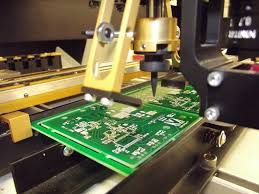
Implications of IPC standards in printed circuit board and assembly?
Furthermore, IPC standards foster interoperability and compatibility across the global electronics supply chain by establishing common terminology, symbols, and documentation formats. This standardized approach facilitates communication and collaboration between stakeholders, such as designers, manufacturers, suppliers, and customers, ensuring seamless exchange of information and reducing the risk of misinterpretation or errors during product development and production.
IPC standards also play a crucial role in ensuring product reliability and compliance with industry regulations and international quality management systems. By incorporating rigorous testing protocols, reliability predictions, and failure analysis methodologies, IPC standards help identify potential failure modes, mitigate risks, and validate product performance under various operating conditions and environmental stresses. Additionally, adherence to IPC standards demonstrates a commitment to quality excellence and continuous improvement, enhancing corporate reputation and market competitiveness.
In the context of PCB assembly, IPC standards provide comprehensive guidelines for soldering processes, including surface mount technology (SMT), through-hole technology (THT), and mixed technology assemblies. These standards define acceptable solder joint criteria, soldering temperatures, dwell times, solder alloy compositions, and inspection methods to ensure robust and reliable solder connections between components and PCB traces. By following IPC standards for soldering, manufacturers can minimize the risk of solder defects, such as solder bridges, cold solder joints, and solder voids, which can compromise electrical connectivity and long-term reliability of the assembly.
Moreover, IPC standards address the growing complexity and miniaturization of electronic components and assemblies by providing guidelines for handling, storage, and assembly of small form factor components, such as ball grid arrays (BGAs), quad flat no-leads (QFNs), and micro-sized components. These standards outline proper handling procedures, component orientation, alignment techniques, and rework methods to prevent damage, misalignment, or soldering defects during assembly processes, thereby ensuring the integrity and functionality of the final product.
In conclusion, IPC standards play a vital role in driving innovation, quality, and reliability in the printed circuit board (PCB) industry by providing a comprehensive framework for design, manufacturing, and assembly processes. By adhering to IPC standards, companies can achieve greater process control, product consistency, and compliance with industry regulations and customer requirements. As technology continues to evolve, IPC standards will remain instrumental in guiding the development of next-generation electronic products and ensuring their success in the global marketplace.